
A Short History of Chocolate
Chocolate! A substance first discovered by Europeans when the
explorer Hernando Cortez reached Mexico in 1519 and found that the civilization
of the emperor, Montezuma and the Aztec peoples, treated this amazing substance
with reverence. At that time, chocolate (called chocolatl) was used as a
refreshing and potent drink.
It wasn't until about the mid-1850's, and many experiments later
primarily in Britain and Holland, that it came to be the chocolate we know
today.
Some interesting facts about chocolate include:
- The cocoa tree grows 20 degrees
either side of the equator; cocoa pods contain up to 40 beans each; and
about 400 beans are required to make one pound of chocolate.
- Ivory Coast and Ghana are two
of the top cocoa bean producers, accounting for over half of the world's
cocoa supply.
- In the early 1500's, cocoa
beans were used as currency - about 100 beans would buy a slave.
- In the 1700's people in the
colonies (later the U.S.) drank chocolate as a medicine.
- Pure chocolate is virtually
free of cholesterol and salt.
- While the United States leads
the world in cocoa bean importation and chocolate production, Switzerland
continues as the leader in per capita chocolate consumption.
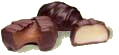
Evidence from scientific studies is mounting that some of the inherent qualities of chocolate are good for our health, thereby supporting our centuries old fascination with chocolate! Today, Chocolate is ubiquitous - a favourite in many cultures - bringing smiles to the faces of our visitors, creating chocoholics, and spawning many sayings such as:
- Chocolate is the answer... who
cares what the question is!
- Milk chocolate... for all it's
worth!
- I'd give up chocolate, but I'm no quitter!
- Put "eat chocolate" at the top of your list of things to do today. That way at least you will get one thing done!
- Chocolate is the answer... who
cares what the question is!
Site Navigation
